
Reverse mortgage requirements
Who can get a HECM, the FHA-insured reverse mortgage for homeowners 62 and older, and which homes qualify.
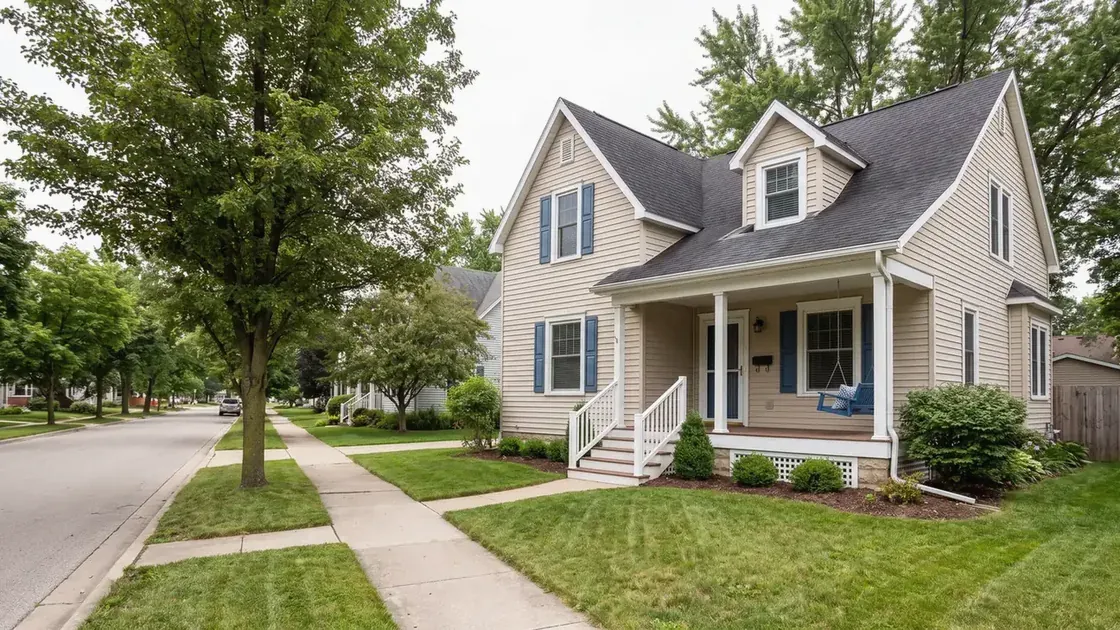
Having enough value in your home, living in it and being at least 62 is what the basic reverse mortgage requirements call for. The standard reverse mortgage backed by the federal government is a HECM, and most borrowers choose it. For a closer look at how the loan works, see our reverse mortgage overview.
Am I eligible for a reverse mortgage?
If you satisfy 4 basic rules, you’ll qualify. The Department of Insurance, Securities and Banking says you must be at least 62 and use the home as your primary residence. You're also required to have enough home equity, and you can't owe any past due federal debt. Equity means the portion of your home's worth that's yours, with no mortgage debt against it.
In a small number of cases, you won't qualify. If an illness or another change makes you move out for more than 12 months, the loan comes due. You aren't a strong candidate if you're planning to move soon. If you only need a little money, a regular home equity loan is often cheaper. Those loans typically call for at least 20% equity, and you can see how they differ on our home equity loan comparison.
How much equity do you need for a reverse mortgage?
The Federal Trade Commission states that you must own your home free and clear or have a small mortgage balance. At closing, your current mortgage has to be paid off with the reverse mortgage funds.
Your principal limit is the total amount you can borrow before loan costs and any existing mortgage are subtracted. The calculation uses your age, current reverse mortgage rates and the value of your home, up to the HUD HECM ceiling of $1,249,125 for 2026. For 2025, the limit stood at $1,209,750. Older borrowers receive a bigger portion of their home's value at a 7.125% expected rate.
| Borrower age | Principal limit share of home value |
|---|---|
| 62 | 30.7% |
| 75 | 39.4% |
| 85 | 50.7% |
Upfront reverse mortgage closing costs are also covered by your loan. An upfront mortgage insurance fee of 2% is due, along with roughly $3,000 for the appraisal, title and recording costs the Consumer Financial Protection Bureau lists. The federal fee rules set the lender fee: for the first $200,000 of your home's worth, it's 2%, and for any value above that, 1%. You'll be charged at least $2,500 for this fee, and it won't go above $6,000. For the first 12 months, the most you can take is 60% of your principal limit. The only time you can take more is to pay off a mortgage along with loan costs and an extra 10%. Try our reverse mortgage calculator to work out your estimate.
Rules for income, credit and taxes
No fixed income requirement exists, and the rules for qualifying haven't shifted much since 2022. The lender will still review your budget to help you stay current on property taxes and home insurance. A set aside is used by the lender when your budget is tight. A set aside is part of your loan funds reserved to cover your future tax and insurance bills. A yearly mortgage insurance fee of 0.5% is applied to your loan balance as well. Once the loan finishes, 95% of the appraised value is the most your heirs will ever have to pay. Our guide to reverse mortgages after death has more information.
Getting counseling before you apply
You’re required to meet an independent HUD approved reverse mortgage counselor before you submit your application. The counselor goes over your budget, lays out the reverse mortgage pros and cons and explains your duties on the loan. Fees from most agencies run about $125, but you might pay a higher amount. You can use your loan funds to pay this fee. When you cancel inside the legal timeframe, you don’t owe any credit charges. After that, the lender gets 20 days to give back whatever you’ve paid.
Qualifying homes: houses, condos and mobile homes
The property has to be your primary residence, and it needs to fall into 1 of 5 groups.
Single family houses
If you live in a single family house as your main home, that property qualifies.
Properties that have 2 to 4 units
A building that has 2 to 4 units qualifies as long as you occupy 1 of those units.
Condominiums that are approved
A condo unit qualifies when the building is part of an FHA approved condo project.
Manufactured housing
A manufactured home is eligible when it's your primary residence.
Trust-owned homes
A home that's held in a trust qualifies while you're living in it as your main residence.
Rules about age and a younger spouse in the home
You must be 62 to meet the standard reverse mortgage age requirement. If you’re married but your spouse hasn’t reached 62, you can still borrow as the older partner. Since the payout is based on the younger spouse’s age, your principal limit ends up lower. Owners who are 55 or older can consider a private jumbo reverse mortgage instead.
Questions about your own home? Call (833) 962-5300. A reverse mortgage specialist answers; we are not a lender.